
Natural Diamonds: An Exceptional Gemstone
Diamonds have always been a subject of fascination due to their rarity, brilliance, and durability. Formed deep within the Earth’s core several billion years ago, they are now considered the most precious stone in jewelry. From its geological formation and responsible sourcing to its cut and certification, each natural diamond has a unique story.
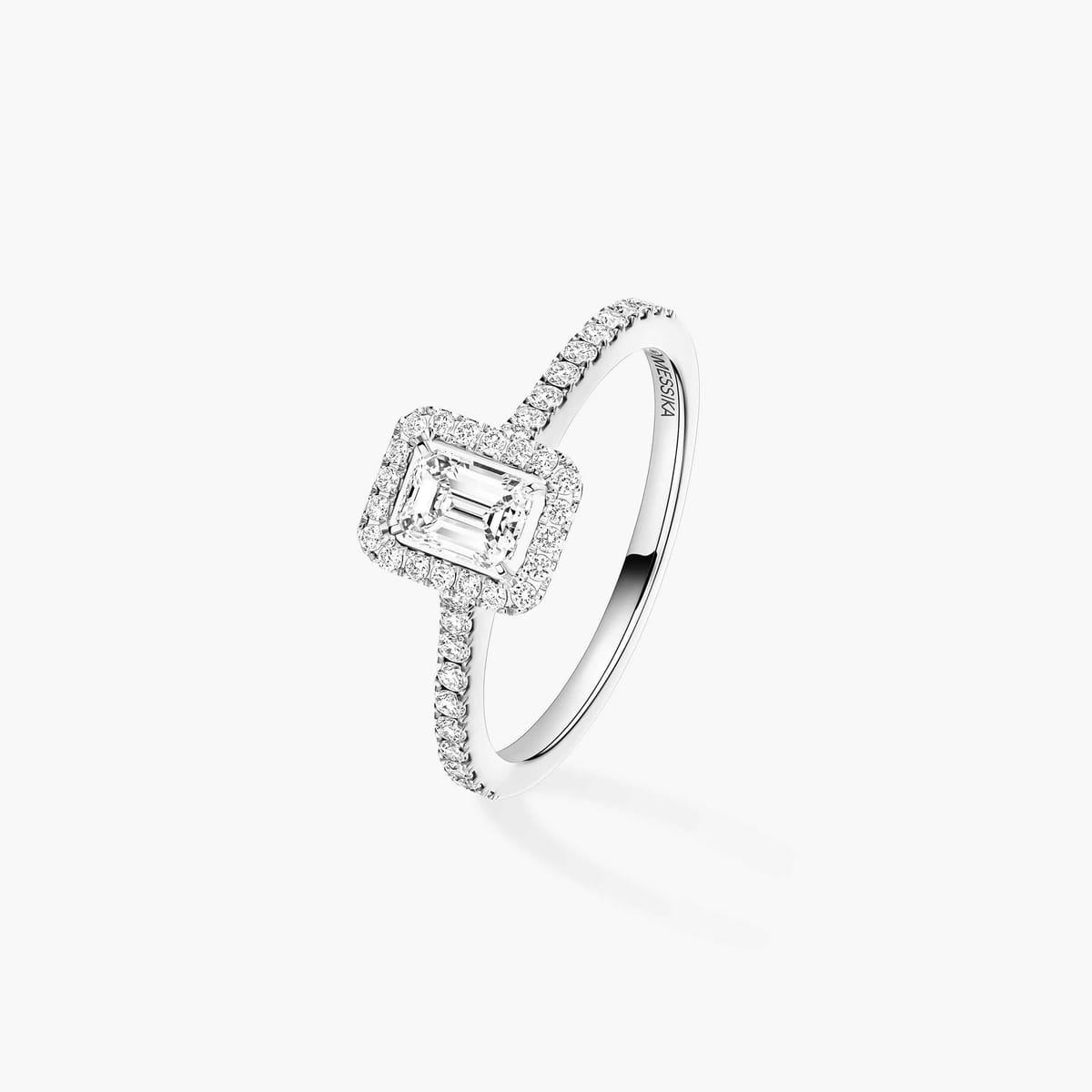
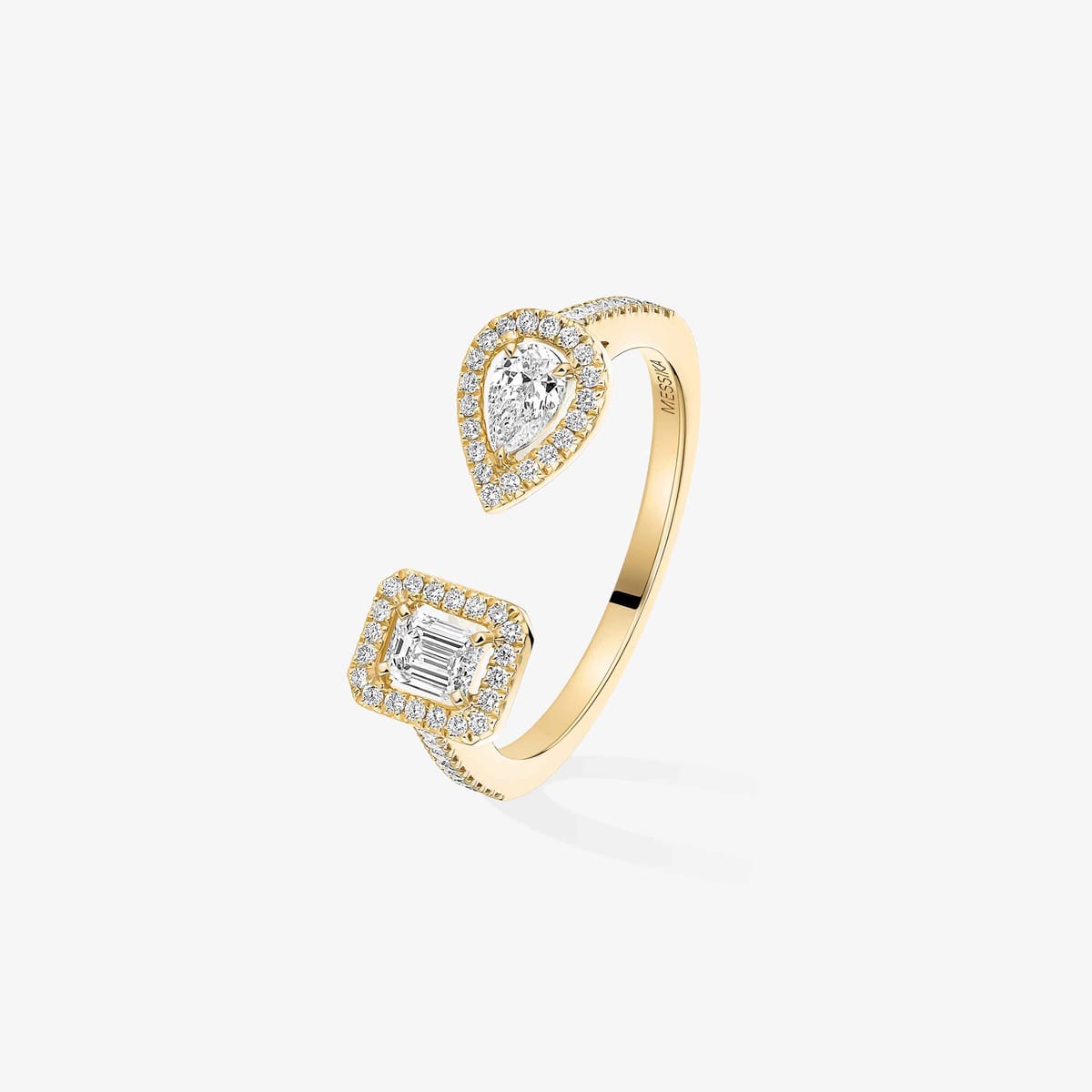
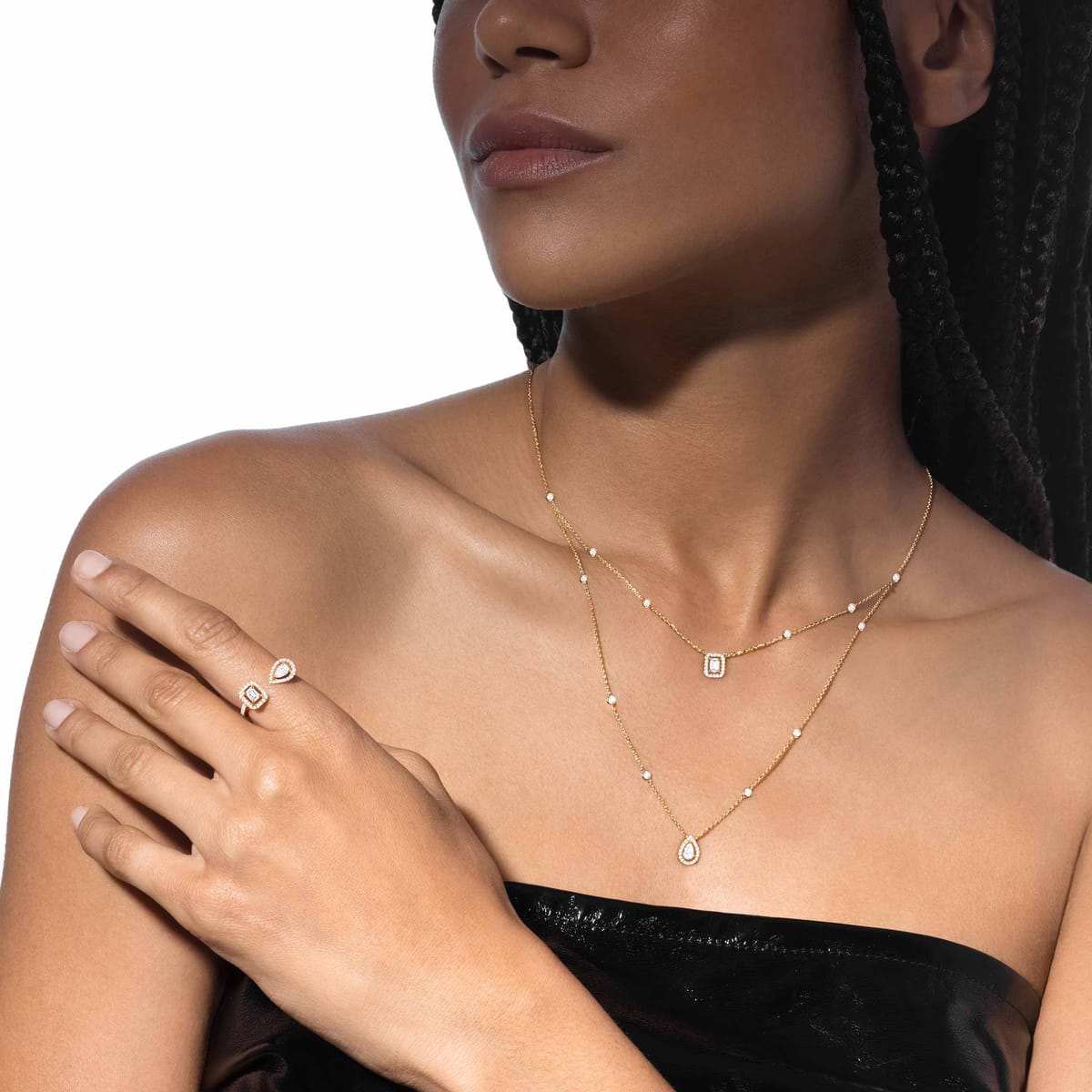
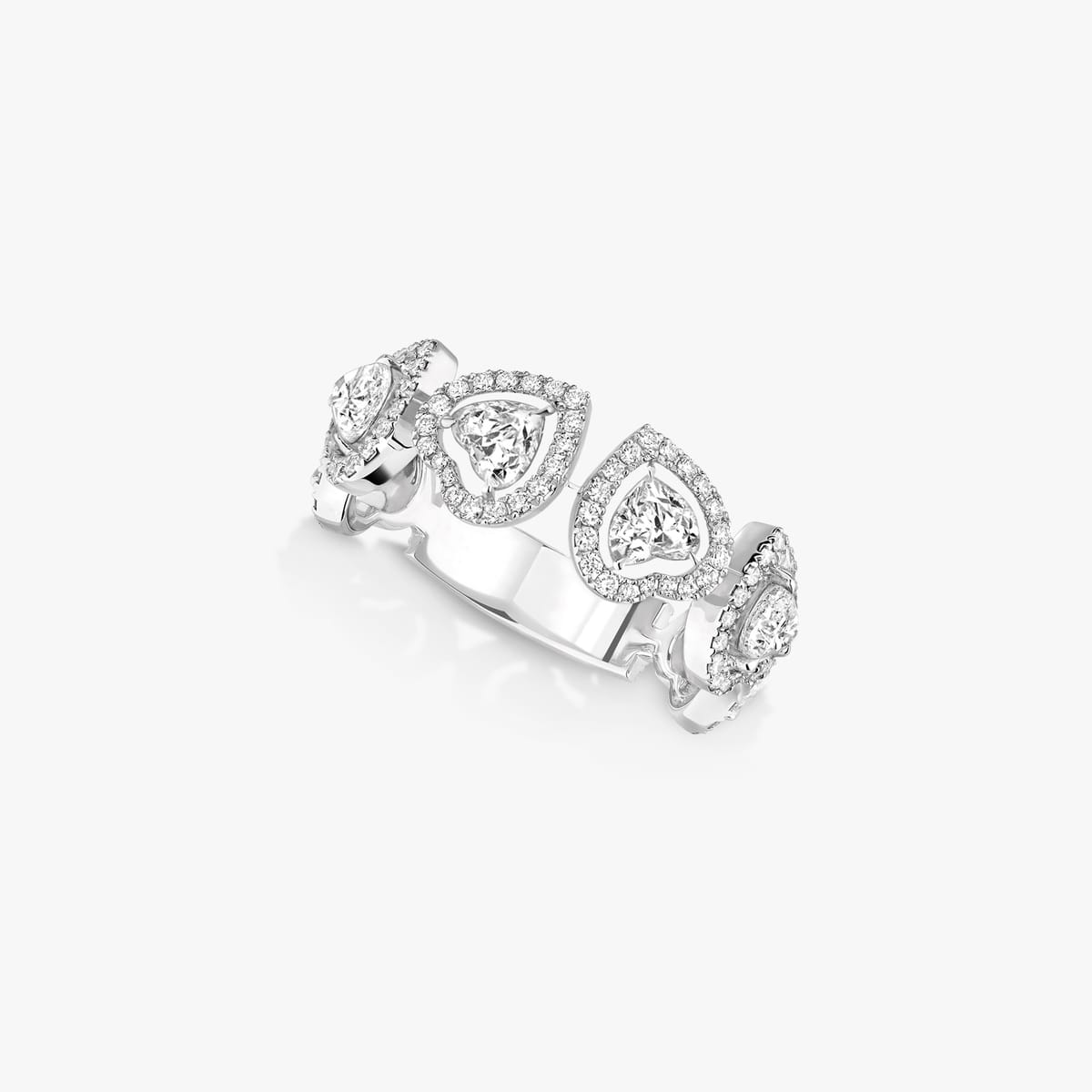
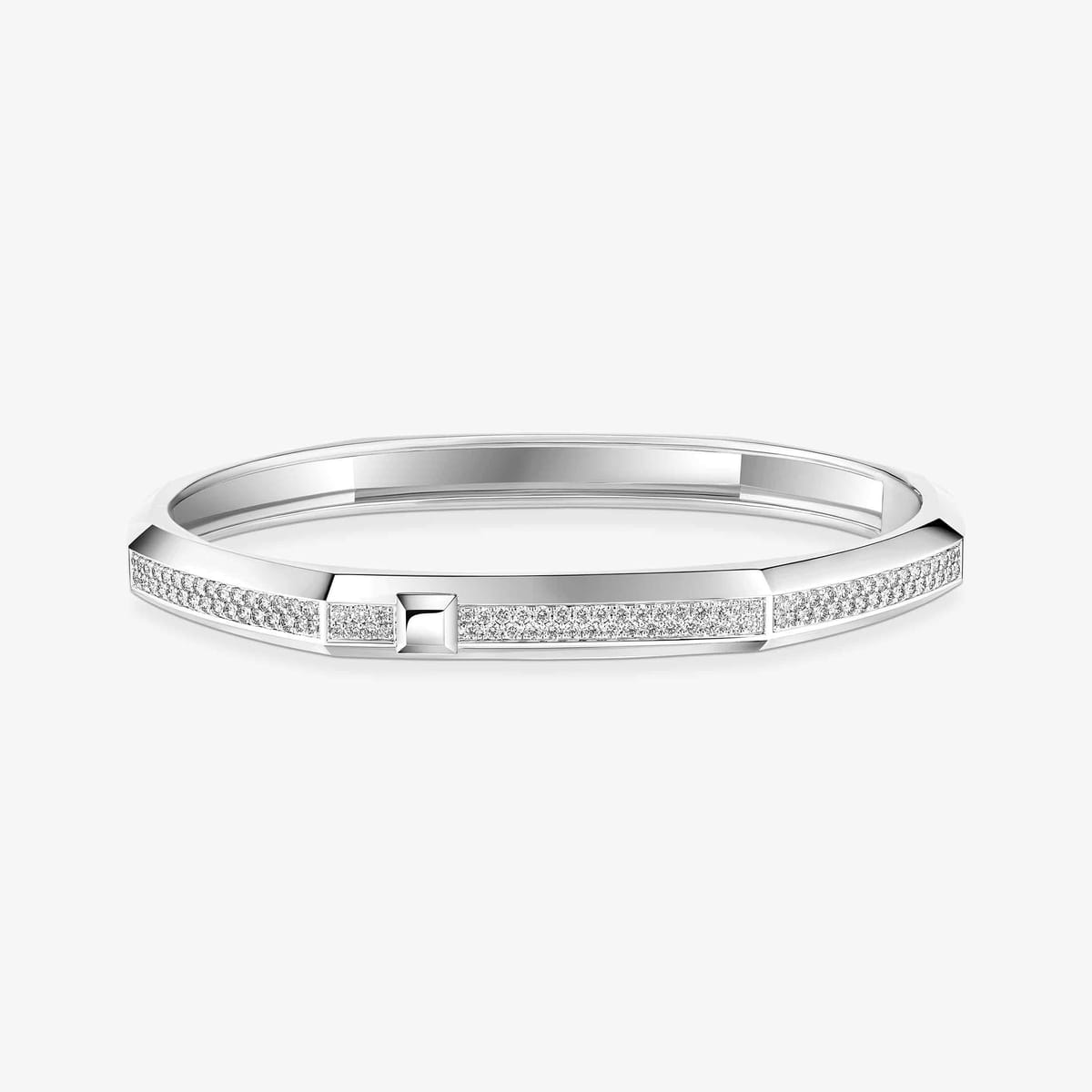
Beyond its sparkle, this exceptional stone is also the result of a high level of craftsmanship and expertise, which transforms the raw stone into jewelry destined to be passed down through the generations. Natural diamond rings, earrings, necklaces and bracelets: the diamond is one of the universal symbols of love, heritage and excellence.

How is a natural diamond formed?
Natural diamonds are the result of an exceptional geological phenomenon. They form over 90 miles below the Earth’s surface, where temperatures exceeding 1,832 °F and extreme pressure gradually crystallize carbon into a perfectly ordered atomic lattice, creating one of the strongest natural structures in existence.
Most natural diamonds were formed between one and three billion years ago. Deep volcanic eruptions then carry these gems to the surface, where they are found in rocks called kimberlites, or in alluvial deposits.
Each natural diamond thus represents a history that spans several billion years. Its rarity stems in particular from the exceptional conditions required for it to form and its presence in mineable deposits.

From the mine to jewelry: the diamond's journey
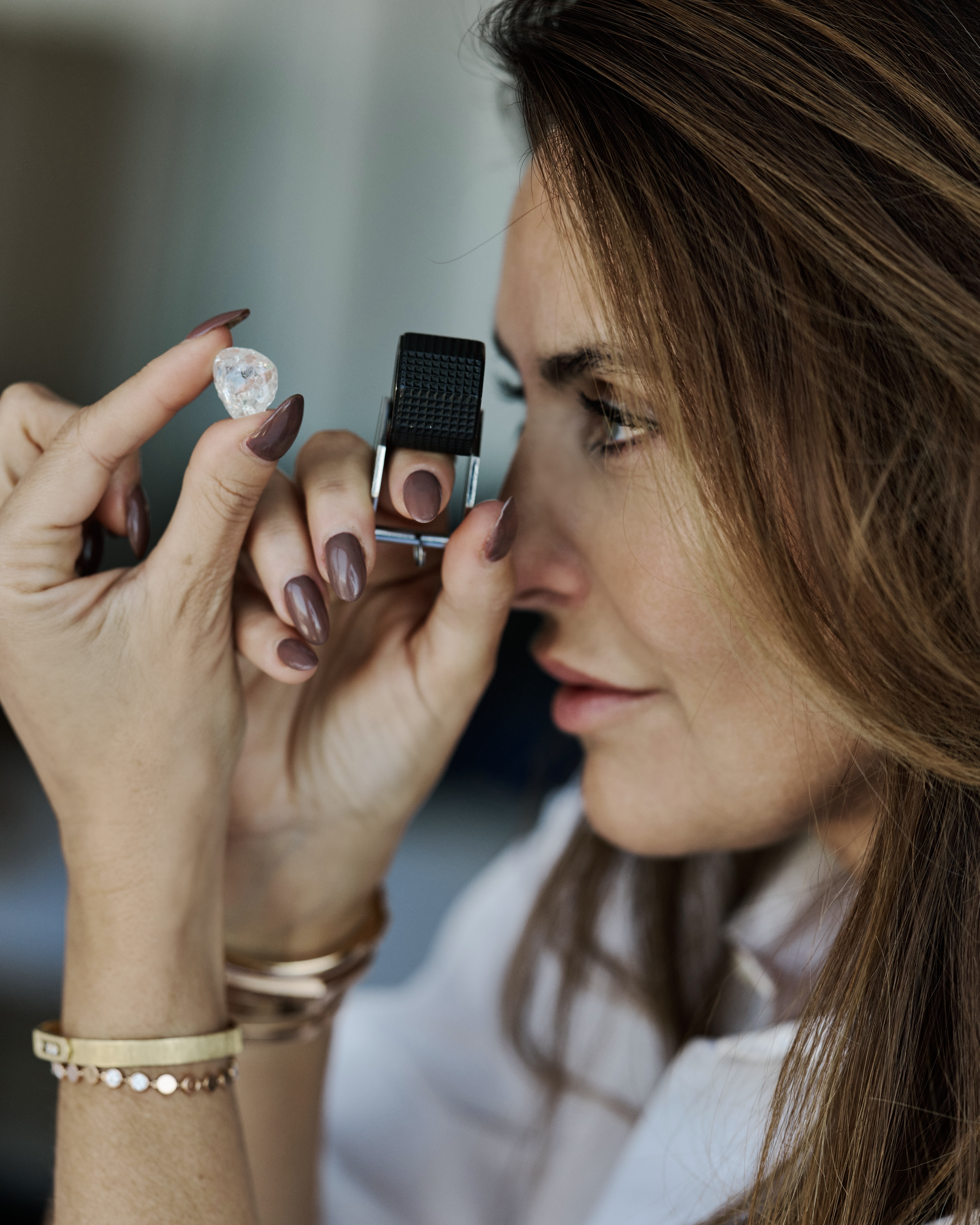
Once extracted and separated from the rock, the rough diamond must be carefully examined before it can be transformed into a gemstone.
After being extracted, each stone is meticulously sorted according to its quality, shape, and potential. Diamond experts then determine the best way to cut it to bring out its full brilliance.
This step requires exceptional expertise. Just a few tenths of a millimeter can completely change the way the stone reflects light. A perfectly executed cut will achieve the desired balance between proportions, sparkle and brilliance.
The 4Cs: the criteria used to establish a diamond's quality
The quality of a diamond is assessed using four international criteria, known as the 4Cs: carat, color, clarity, and cut. These four characteristics allow for the quality of two natural diamonds to be compared.
Carat measures the weight of the stone. One carat is equal to 0.20 grams. The larger a diamond is, the rarer it becomes, however this alone does not guarantee its beauty.
Color rates a diamond’s whiteness on a scale ranging from D to Z. A D grade indicates a perfectly colorless diamond on this scale, while a Z grade corresponds to a yellow or brown tint. The most sought-after diamonds are very close to colorless. True to its high standards, Messika only selects diamonds graded between D and G.
Clarity refers to the presence of any natural inclusions. Although invisible to the naked eye in most cases, these inclusions reflect the geological history of each stone. Messika only uses certified stones rated above VS2 (Very Slight Inclusion).
Finally, the diamond's Cut is often considered the most important criterion. It determines a diamond’s ability to reflect and diffuse the light. A perfectly crafted cut allows the stone to reveal its full sparkle.

Natural diamond or synthetic diamond?
Today, there are two main categories of diamonds: natural diamonds and synthetic diamonds.
Natural diamonds are the result of a geological process that takes place over several billion years. Each stone is unique in its origin, formation, and characteristics.
Synthetic diamonds, also known as lab-grown diamonds, have the same chemical composition as natural diamonds. However, they are created artificially in a matter of weeks using technological processes that reproduce natural formation conditions.
Visually, the two stones can appear identical. Their main differences lie in their origin, rarity, and heritage value. Natural diamonds remain a finite resource, shaped by time, while lab-grown diamonds are produced by humans in a controlled environment.

Natural diamond certification: a mark of trust
High-quality diamonds may come with an analysis/certificate issued by an independent laboratory such as the GIA (Gemological Institute of America), which, for Messika, is considered the most reputable authority.
This document gives a detailed description of the gemstone’s characteristics, including the 4Cs, and guarantees its natural origin.
Certification serves as an essential benchmark for comparing different stones and ensuring complete transparency when purchasing diamond jewelry.


 15522 WG _F7F7F7-1200x1200.jpg)

 05630 WG-1200x1200.jpg)







An increasingly responsible supply chain
Traceability is a major issue in the diamond jewelry industry today.
The leading jewelry Maisons prioritize partners who adhere to high standards in terms of ethics, working conditions, and environmental protection.
The Kimberley Process, established in the early 2000s, has helped limit the circulation of diamonds sourced from war zones. This initiative is now complemented by increasingly specific traceability requirements throughout the supply chain.
Choosing a diamond piece from a reputable Maison thus ensures a high level of transparency when it comes to the stones' origin.

A stone steeped in symbolism and history
Since ancient times, the diamond has been associated with strength, eternity, and light.
Its name comes from the Greek word adamas, which means "unbreakable". Long reserved for rulers and royal families, the diamond gradually became a symbol of enduring love, particularly with the emergence of the diamond engagement ring.
Even today, it remains a part of life’s most memorable moments. A natural diamond ring celebrates a commitment, natural diamond earrings mark an anniversary or a birth, while a necklace or bracelet often becomes a piece of jewelry passed down from one generation to the next.

The natural diamond: a legacy of value
Beyond the emotional appeal they hold, natural diamonds also carry a significant heritage and history.
Their rarity, geological origin, and unique characteristics contribute to their enduring value over time. While jewelry should never be viewed solely as a financial investment, a high-quality natural diamond retains its value over time thanks to its uniqueness.
Messika's diamond expertise
 06129 YG.jpg?2026-10-28T16:31:30.360Z)
 15015 WG-1.jpg?2026-10-28T12:01:47.221Z)
 06636 PG.jpg?2026-10-28T15:51:20.681Z)
Since being founded in 2005, the Messika Maison has placed the natural diamond at the heart of each of its creations. As the heiress to a legacy of diamond expertise, Valérie Messika takes a discerning approach to selecting stones, choosing them for their quality, their brilliance and their balance.
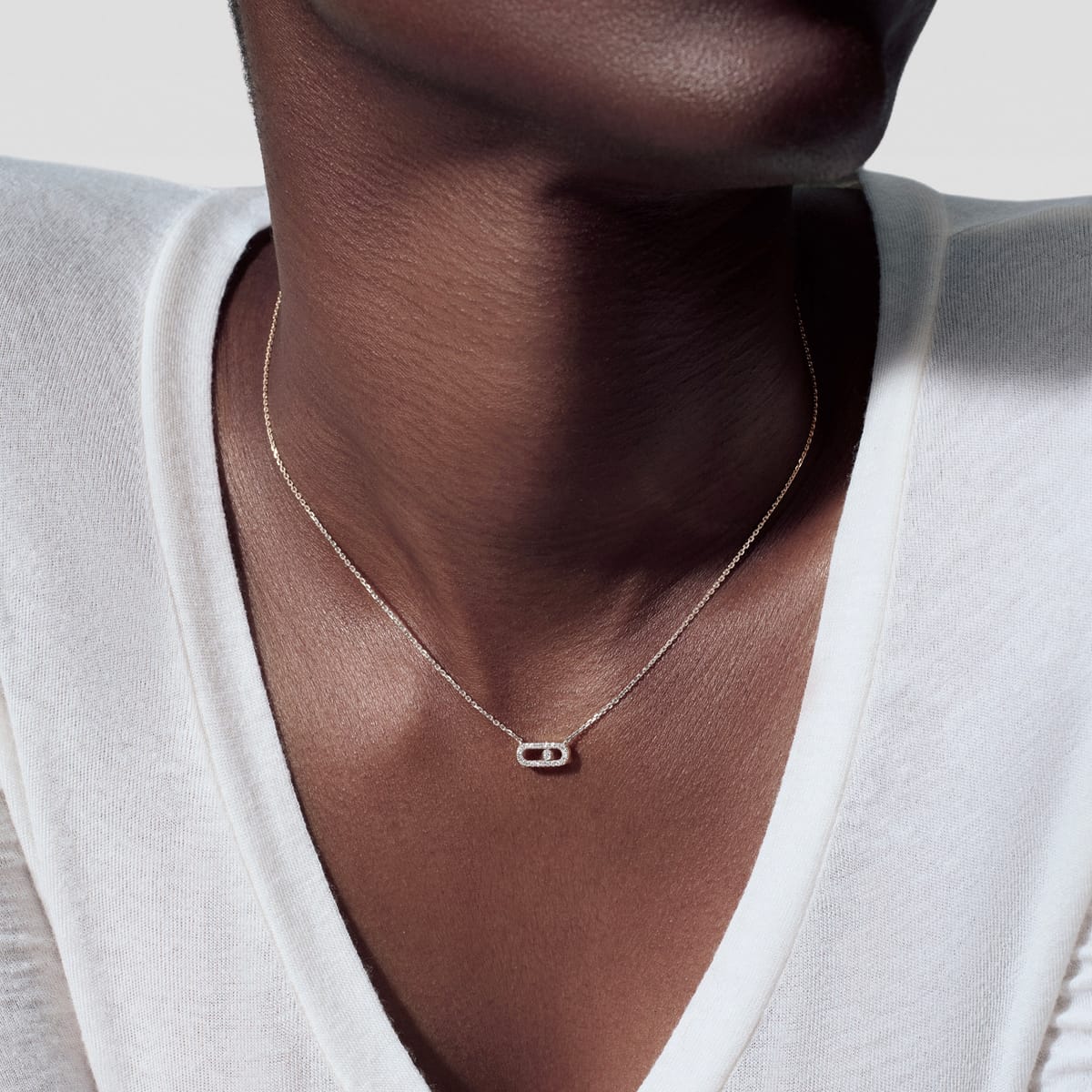
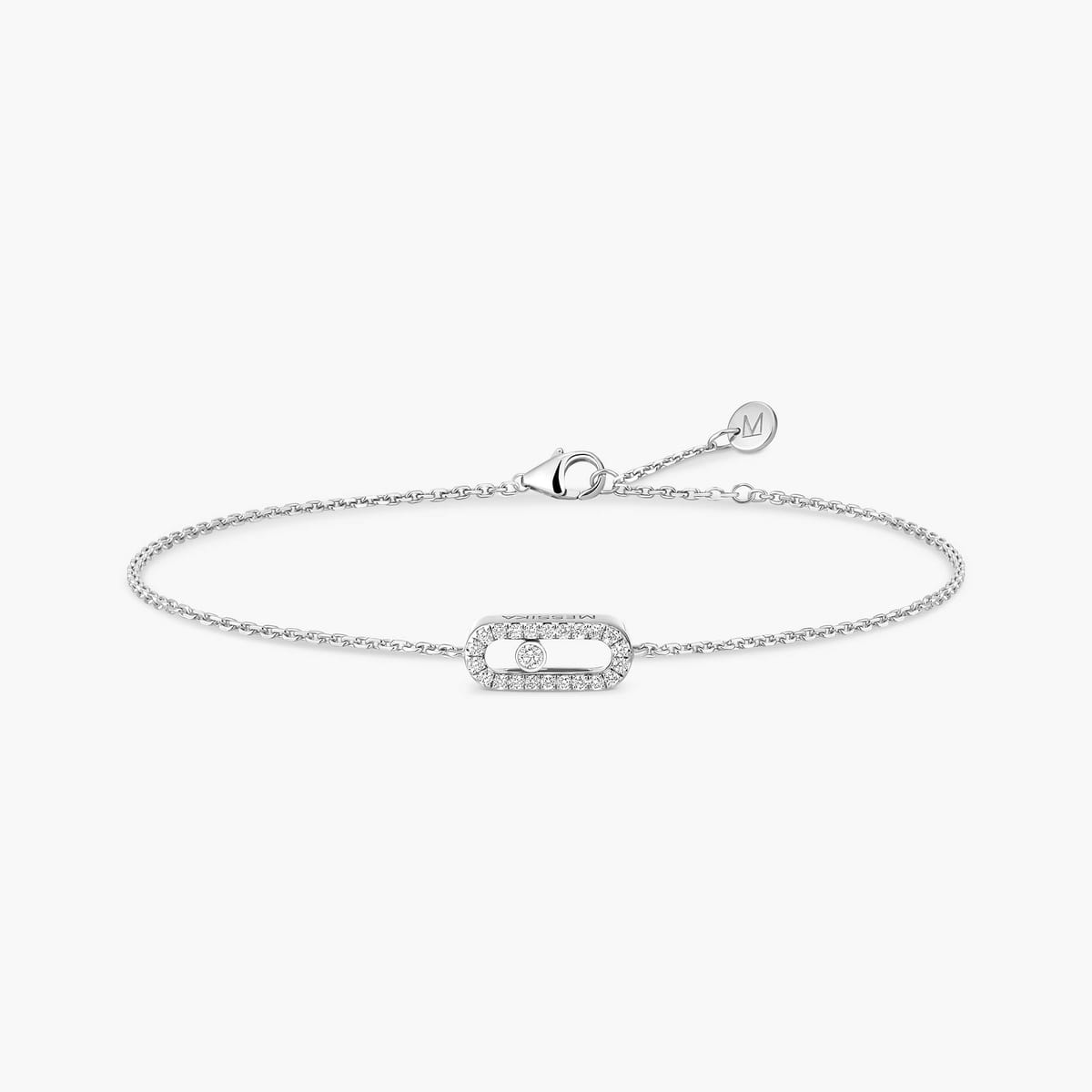
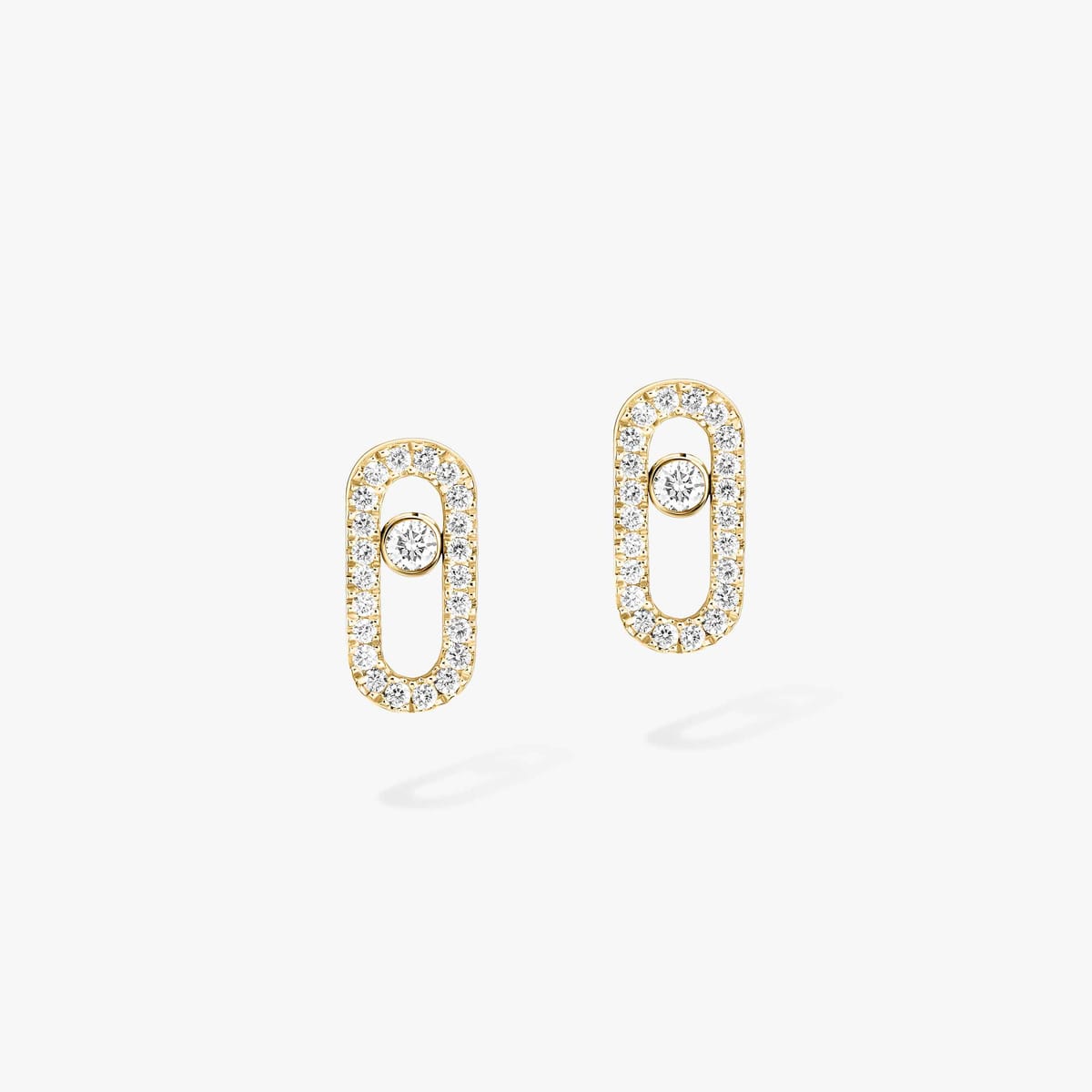
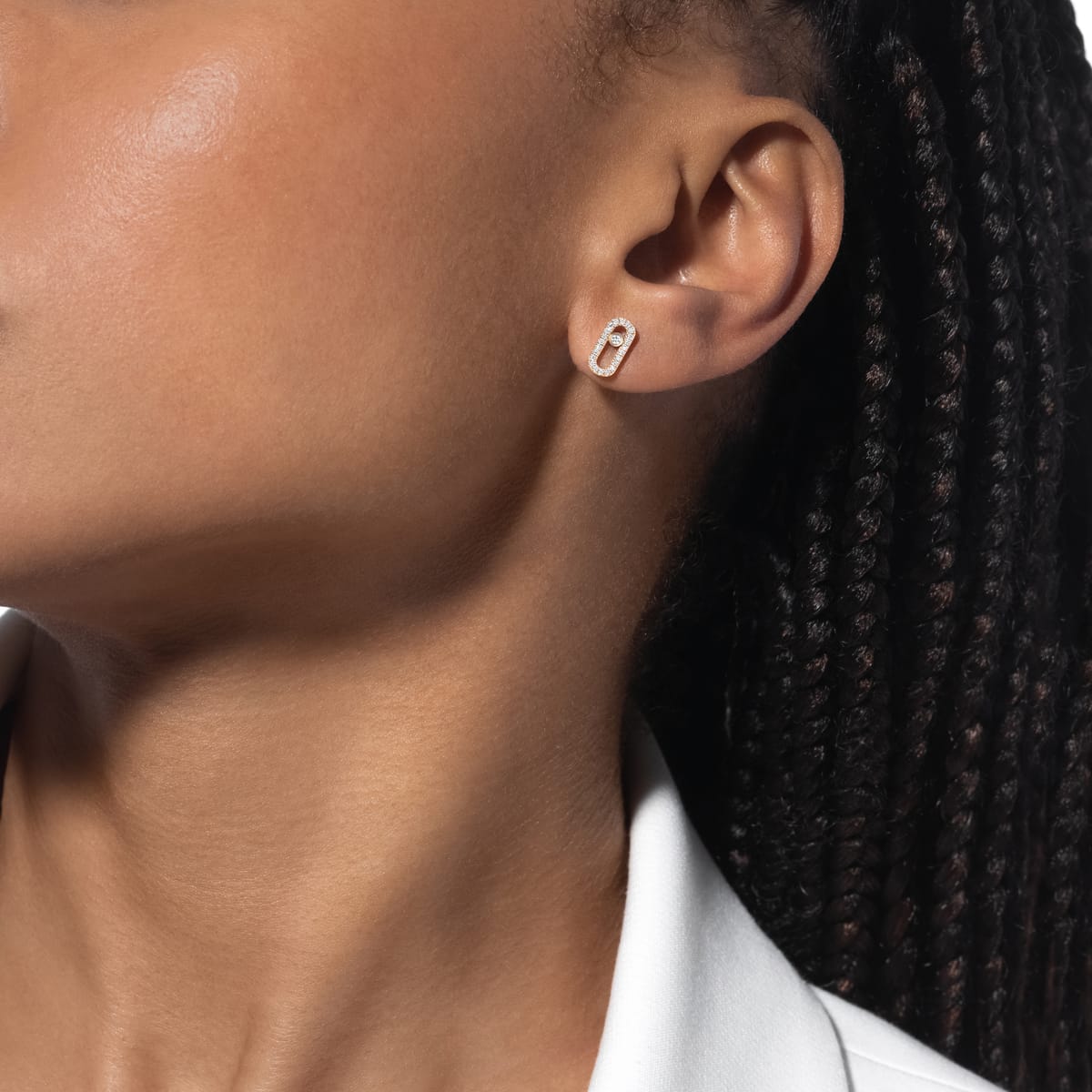
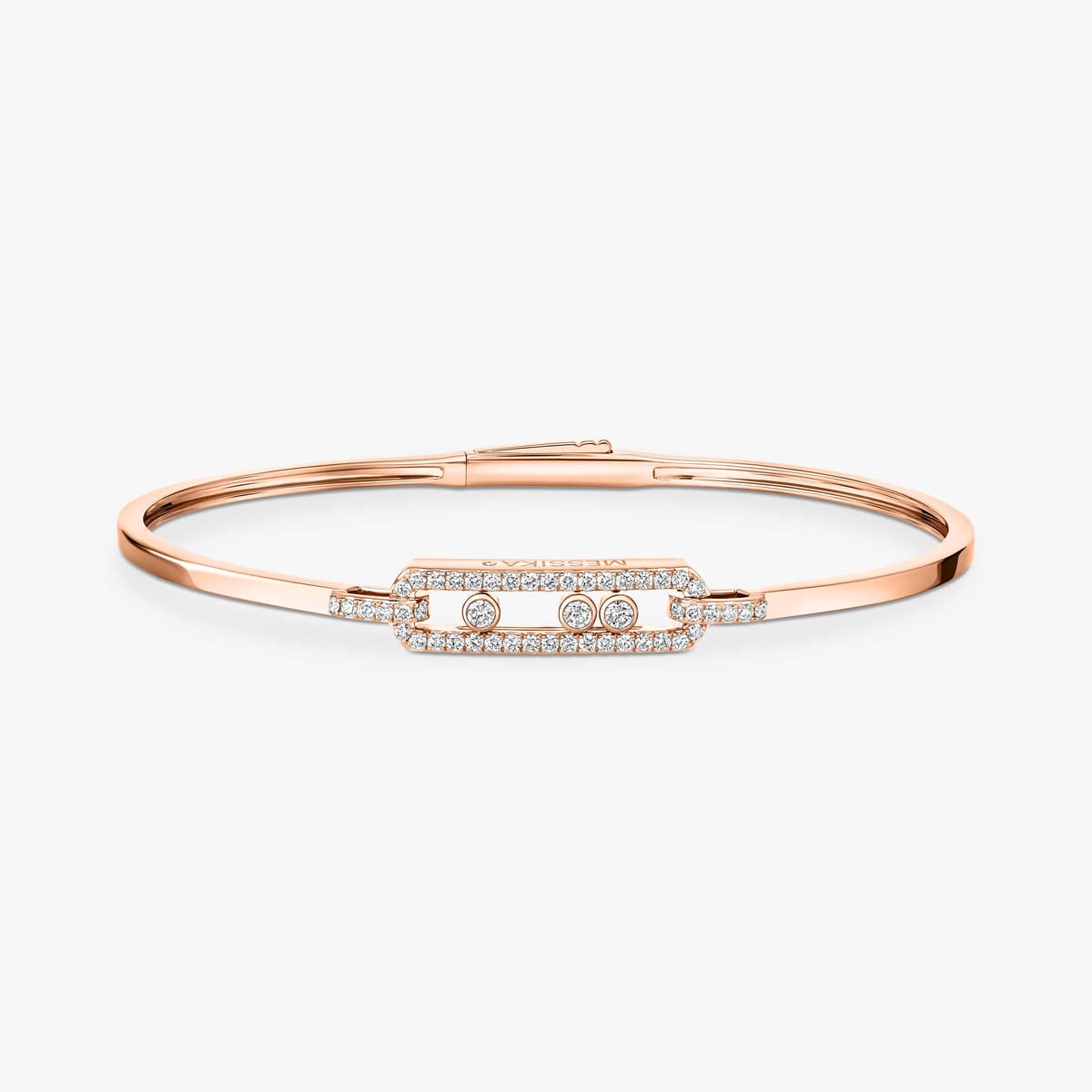
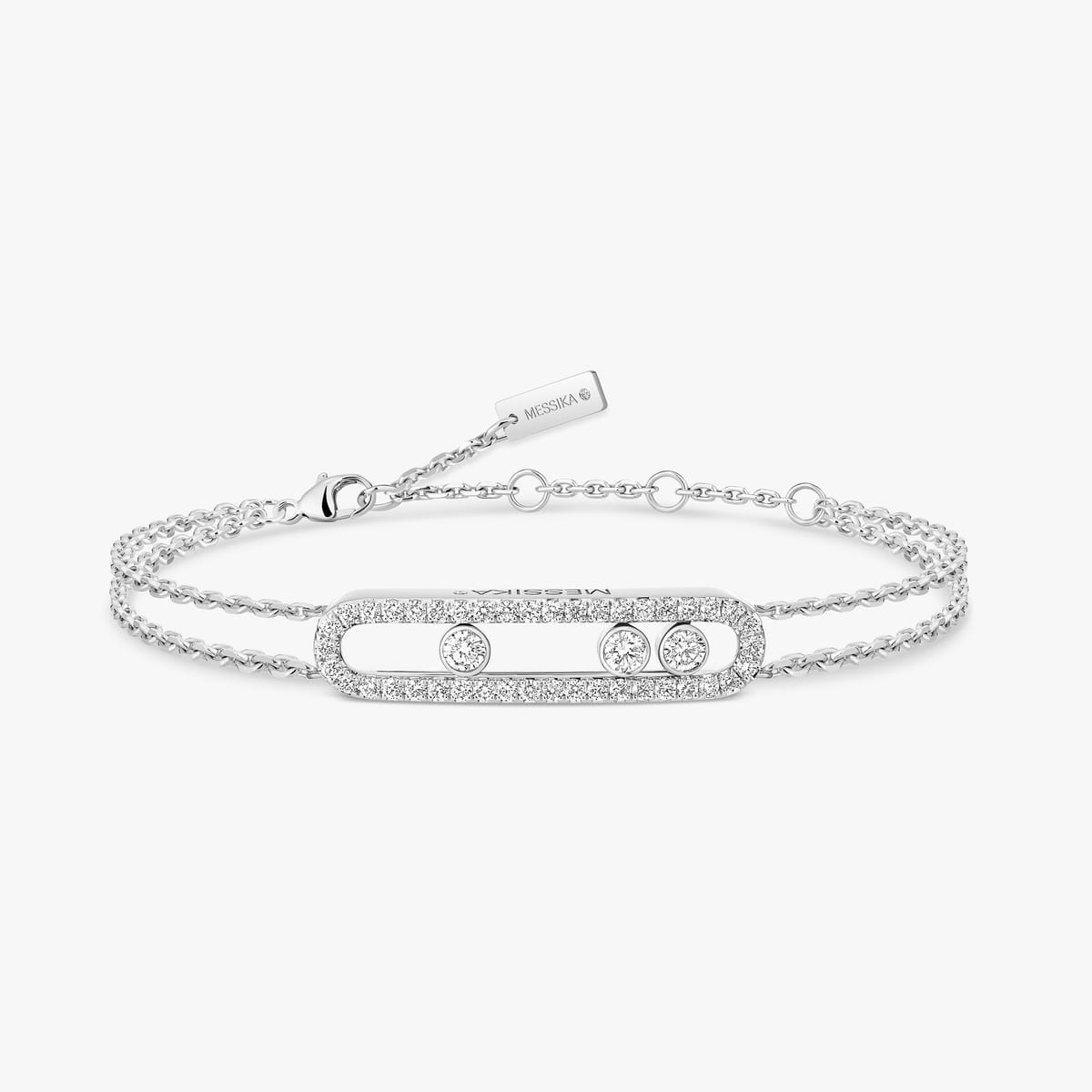
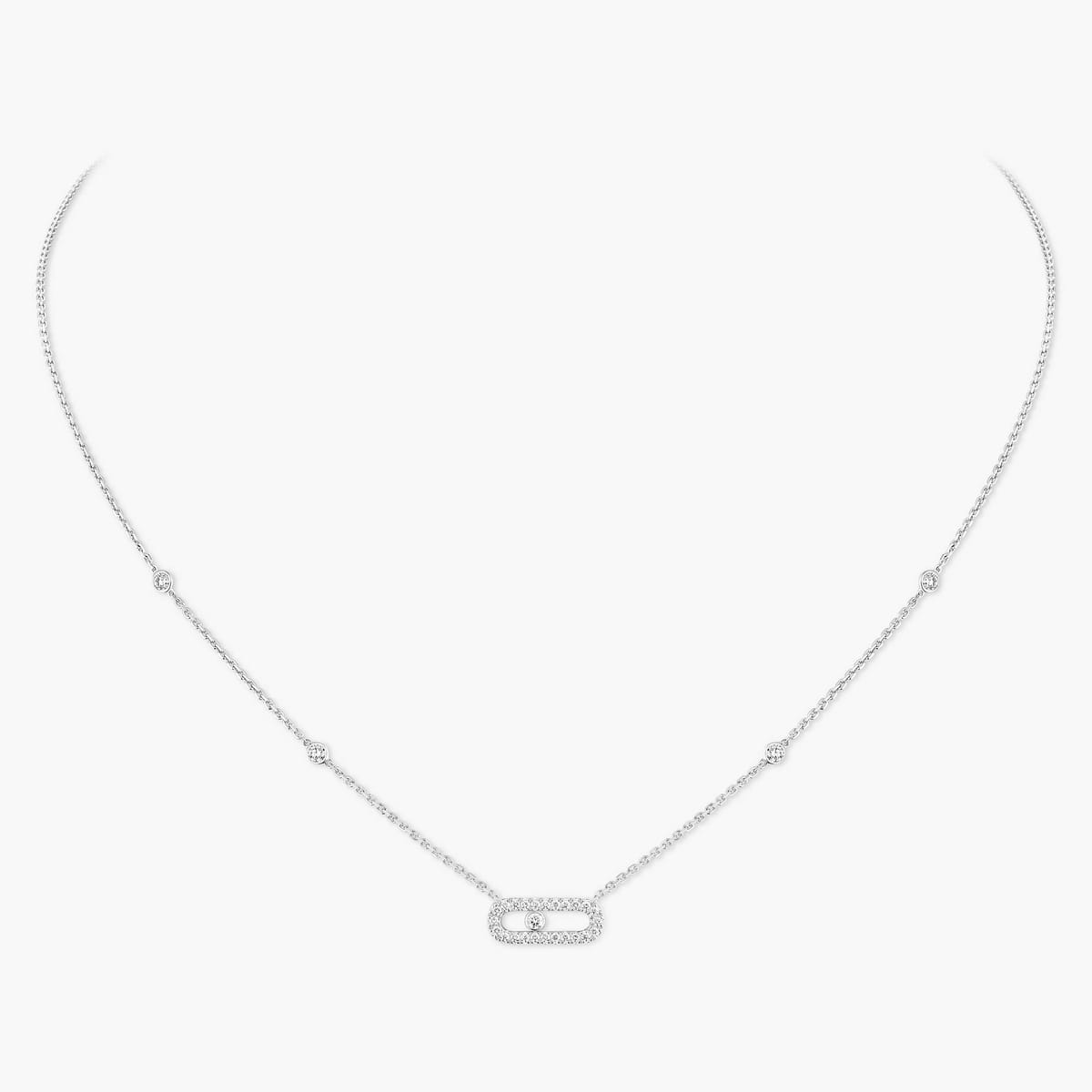
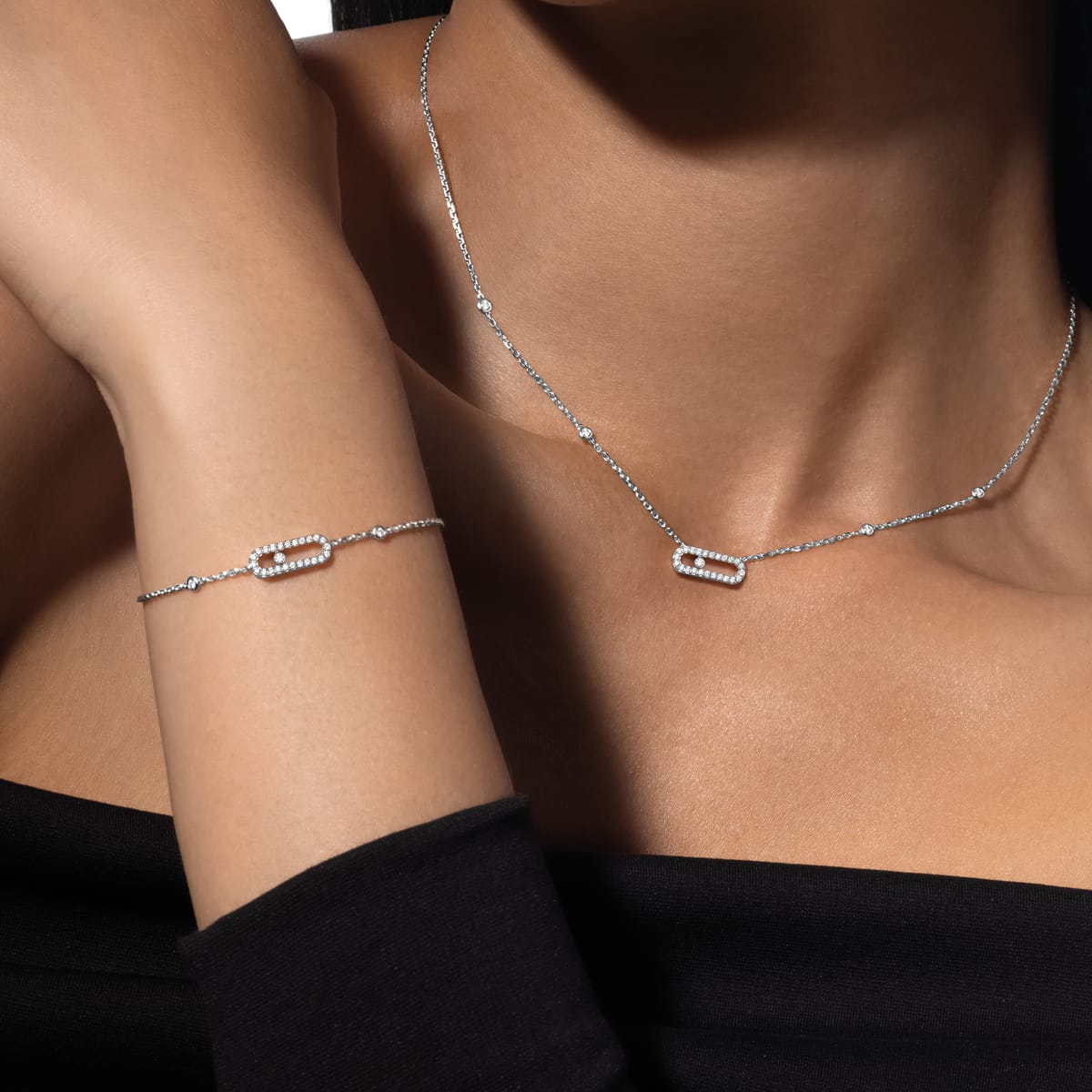
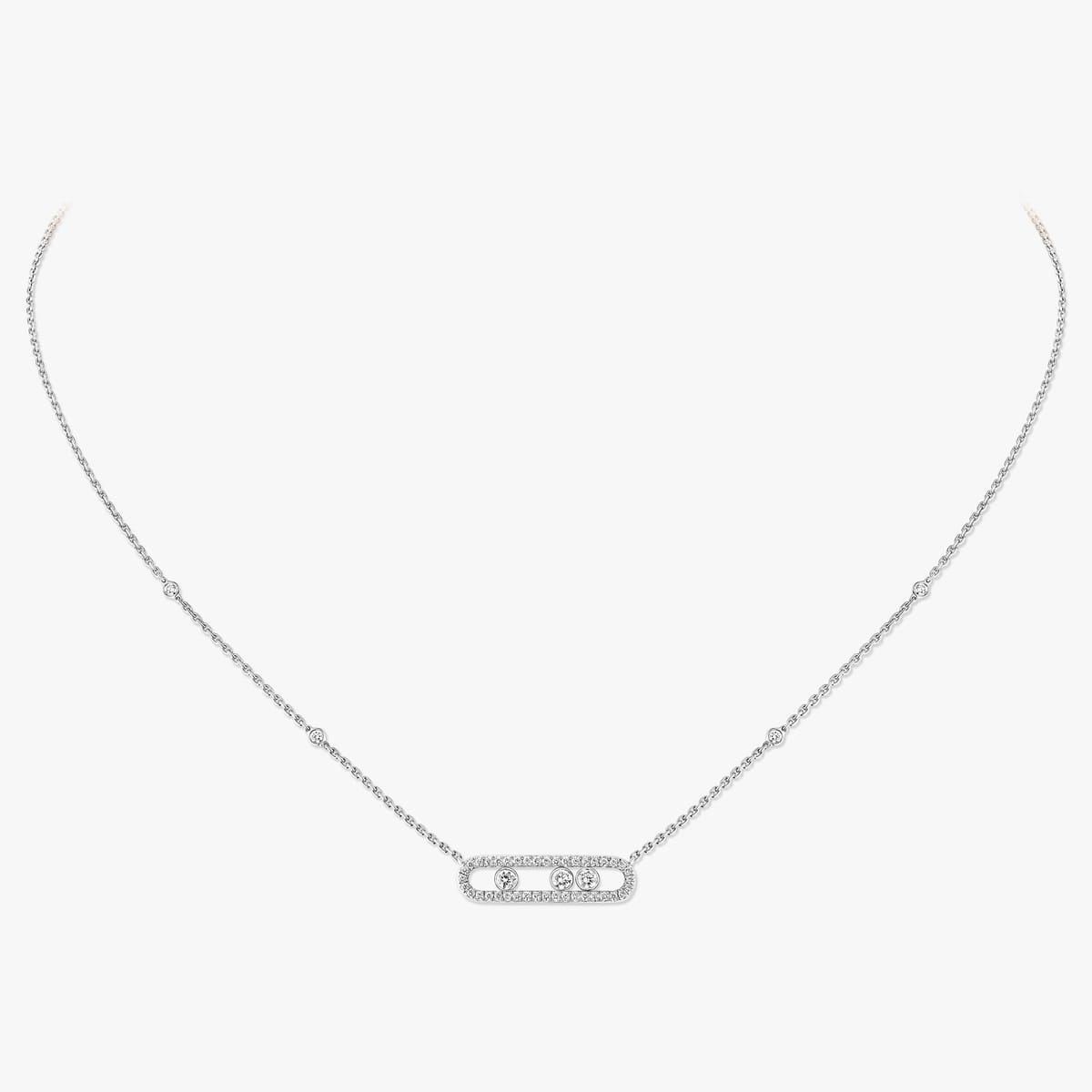
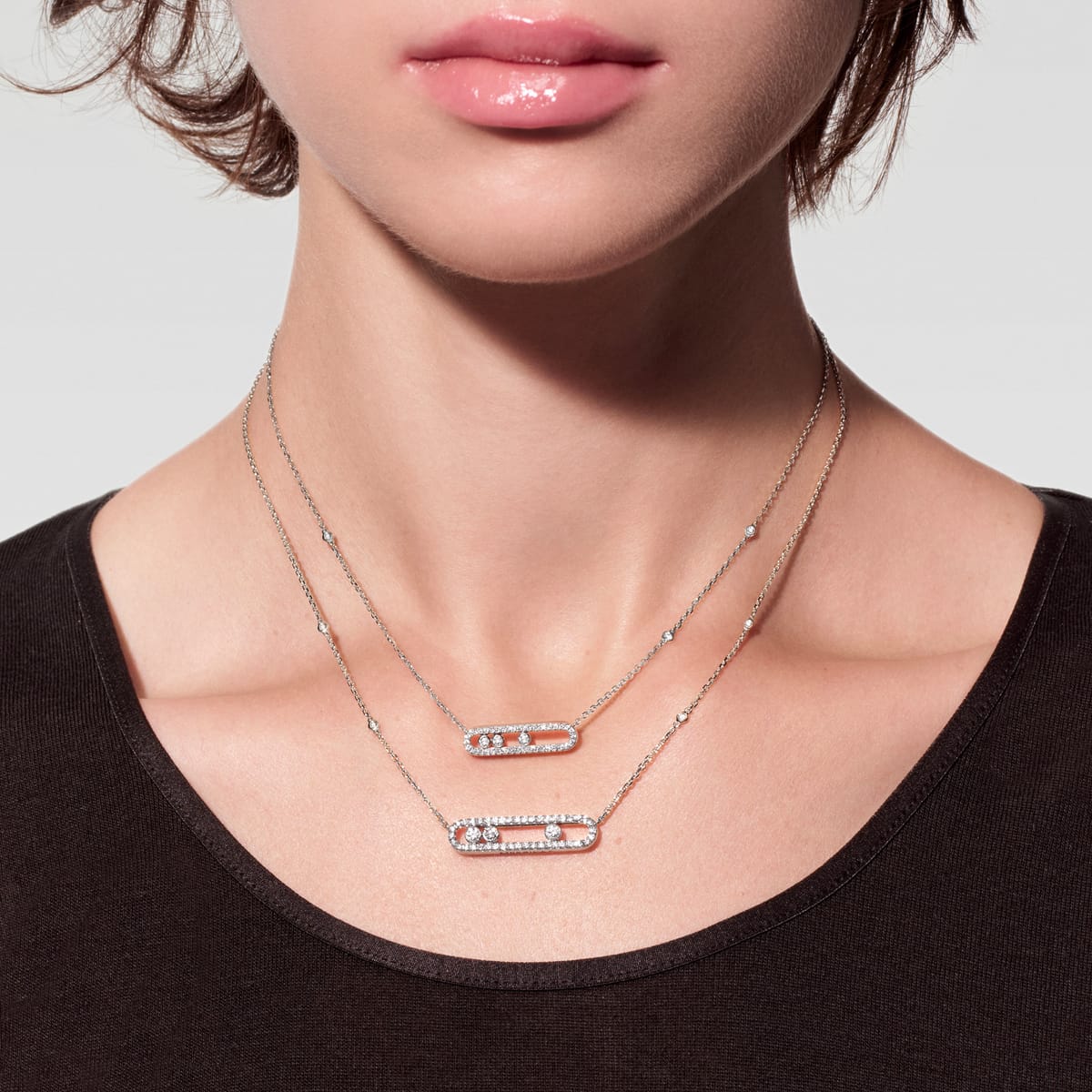
This mastery of diamonds is evident in every stage of the creative process, from the selection of stones to the setting and final finishing touches. It is also embodied in signature designs that have become iconic, such as the Move collection and its moving diamond, which reinterprets conventional diamond jewelry codes with a free-spirited and contemporary vision.
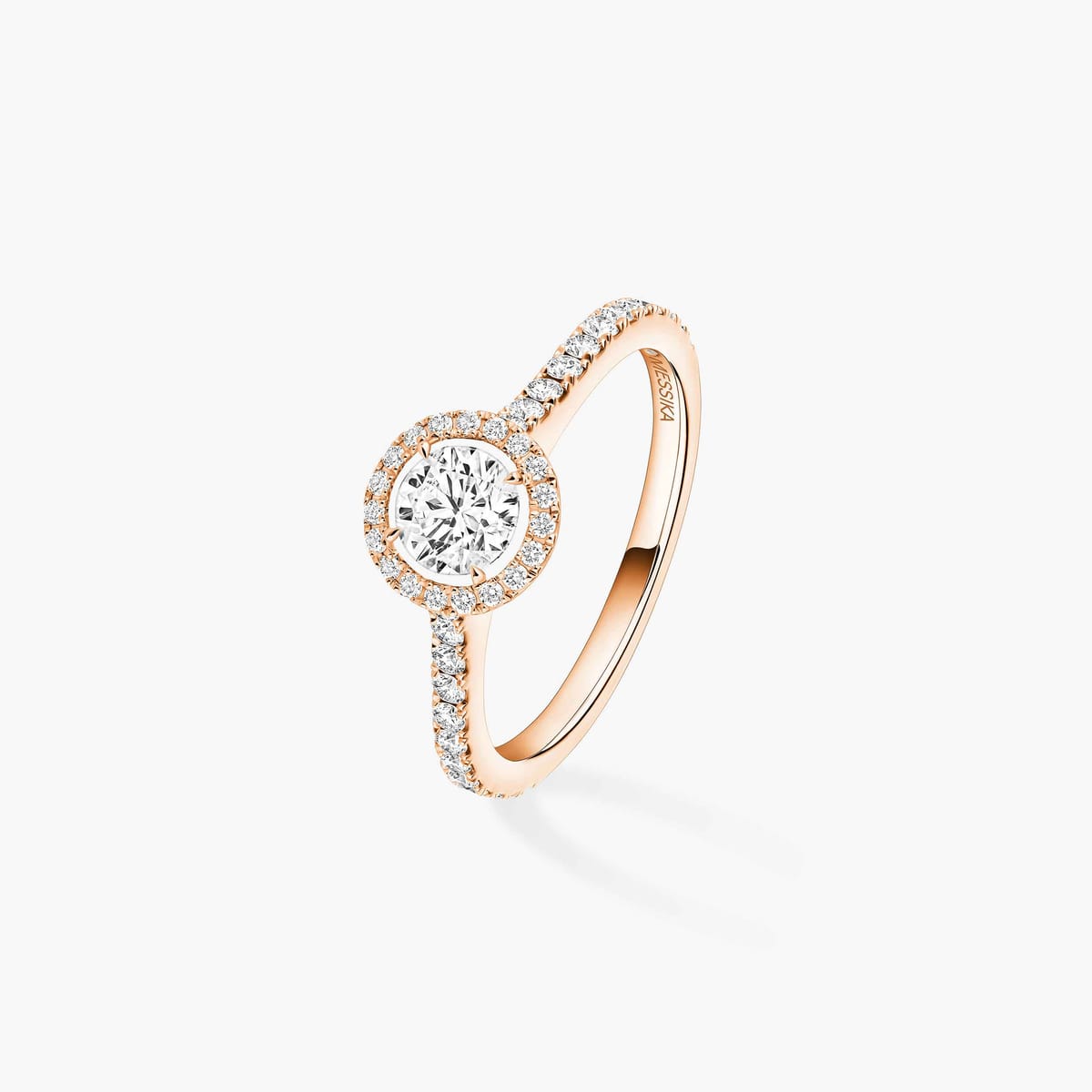
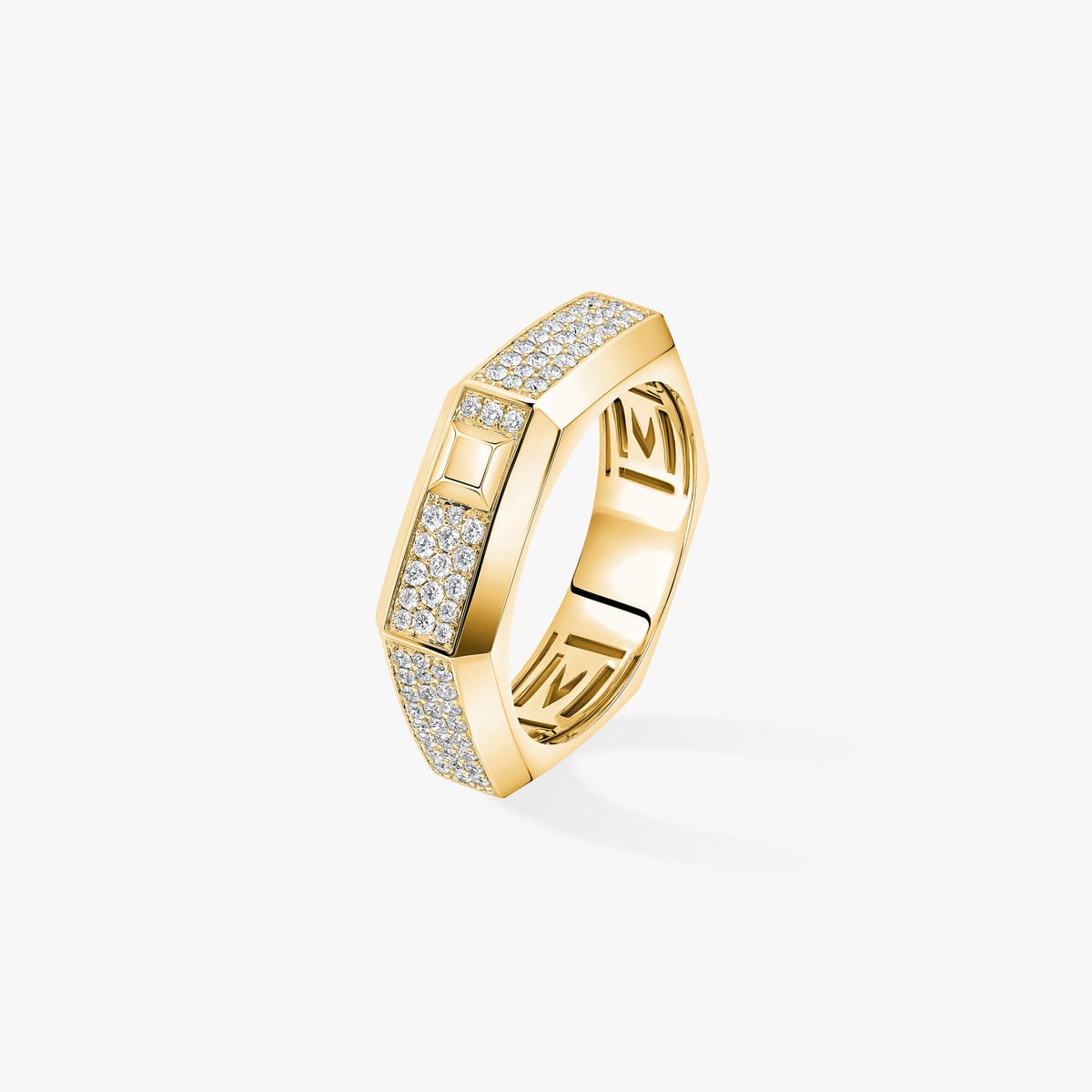
Designed to be worn every day, Messika jewelry creations celebrate the natural diamond: diamond rings, diamond earrings, bracelets, and necklaces. Each piece of natural diamond jewelry combines artisanal excellence with modernity and a bold design.